
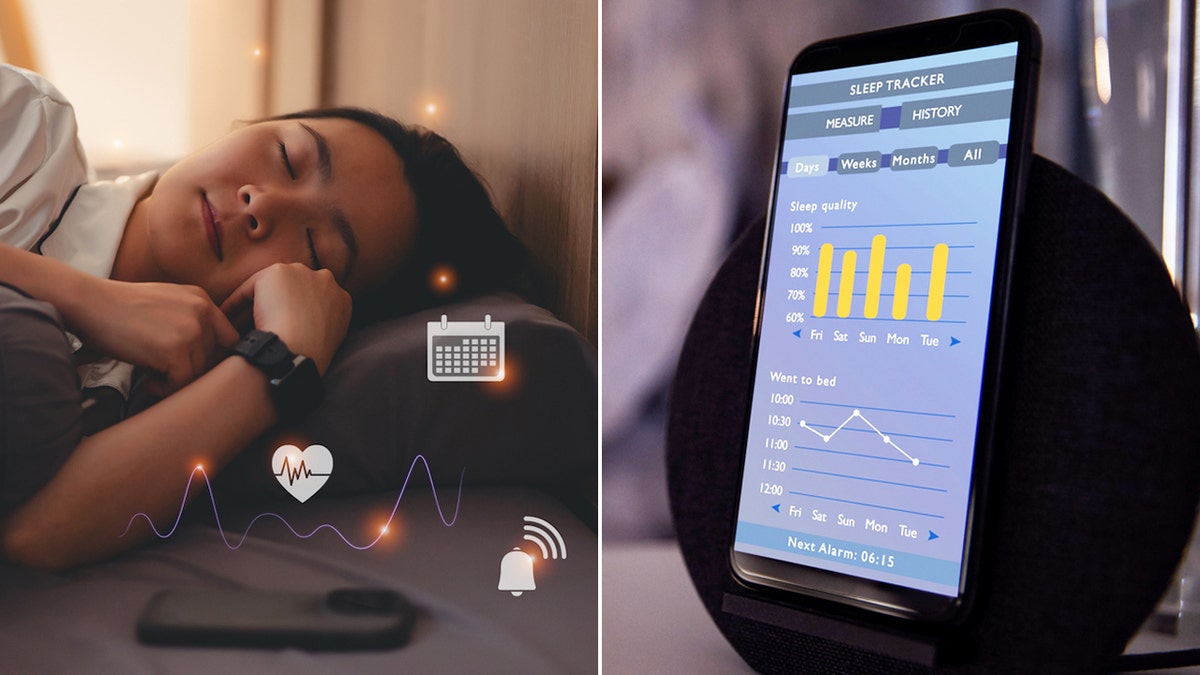
Sleep is the foundation of good health, yet millions struggle with getting enough quality rest. While many factors influence sleep—stress, diet, light exposure—most people don’t actually know what happens once their head hits the pillow. That’s where artificial intelligence steps in.
AI-powered sleep tracking apps and devices offer a detailed look into your sleep patterns, quality, and potential disruptions. These tools go beyond counting hours—they analyze your sleep cycles, detect snoring or disturbances, and offer personalized recommendations for improvement.
In this article, we explore how AI is transforming sleep monitoring, the best tools available in 2025, and how you can use them to sleep better, feel better, and live smarter.
Why Sleep Tracking Matters
Understanding your sleep patterns can help you:
-
Improve energy levels and mental clarity
-
Reduce stress and improve mood
-
Enhance physical recovery and immune health
-
Detect possible disorders like sleep apnea or insomnia
-
Build better evening routines and sleep hygiene
Traditional sleep tracking required expensive equipment or lab tests. Today, AI makes accurate sleep insights available on your phone or wrist.
How AI Enhances Sleep Monitoring
Unlike basic trackers that measure movement alone, AI-based sleep tools combine multiple data sources:
-
Heart rate and variability
-
Breathing patterns and oxygen levels
-
Body temperature and motion
-
Environmental noise and light
-
Sleep cycle prediction (REM, deep, light stages)
AI models analyze this data to identify patterns and uncover issues that could be affecting your sleep quality.
Top AI-Powered Sleep Monitoring Tools (2025)
Here are the most reliable and advanced tools that help you sleep smarter with AI.
1. Oura Ring Gen 4
The Oura Ring is a discreet, powerful sleep tracker worn on your finger. It collects biometric data with precision and uses AI to analyze sleep depth, recovery, and readiness.
Key features:
-
Monitors heart rate, temperature, oxygen saturation, and motion
-
Provides a Sleep Score with AI-backed insights
-
Personalized bedtime recommendations
-
Syncs with Apple Health and Google Fit
Best for: Users seeking in-depth analysis in a lightweight, wearable form.
2. Sleep Cycle
Sleep Cycle uses your smartphone’s microphone and accelerometer to track your sleep cycles. Its AI engine wakes you up during the lightest sleep phase for a smoother morning.
Key features:
-
Smart alarm with AI-based wake-up timing
-
Snore detection and sound analysis
-
Sleep trend visualizations over weeks or months
-
No wearable required
Best for: Users who prefer a simple, phone-based sleep tracker.
3. Withings Sleep Analyzer
This device slips under your mattress and tracks sleep stages, snoring, heart rate, and breathing disruptions—ideal for monitoring without wearables.
Key features:
-
Medical-grade sleep apnea detection
-
Tracks REM, light, and deep sleep
-
Integrates with Apple Health and Google Fit
-
AI-driven coaching and sleep score
Best for: Users who want advanced monitoring without wearing a device.
4. Fitbit Sense 2 + Premium
Fitbit’s Sense 2 offers comprehensive health and sleep tracking with AI-driven insights. It uses continuous biometrics to track stress, recovery, and sleep quality.
Key features:
-
Tracks oxygen saturation and skin temperature
-
Sleep stages breakdown with daily Sleep Score
-
AI recommendations based on trends
-
Premium coaching for sleep improvement
Best for: Users who want a full fitness and sleep solution in one.
5. Eight Sleep Pod 4
This smart mattress cover controls temperature and tracks your sleep with built-in sensors. It uses AI to learn your ideal sleep conditions and automatically adjusts throughout the night.
Key features:
-
Dual-zone temperature control
-
Sleep and HRV tracking
-
Personalized thermal profile powered by AI
-
Integration with smart home systems
Best for: Couples or advanced biohackers optimizing their entire sleep environment.
What Makes These Tools Truly Smart?
AI doesn’t just collect data—it learns and improves. For example:
-
If you sleep better at 18°C, your Eight Sleep will cool automatically
-
If your REM sleep drops after late-night caffeine, Sleep Cycle may recommend changing your habits
-
If your breathing shows irregular patterns, Oura may suggest medical follow-up
AI helps translate raw data into practical advice—so you can actually sleep better, not just track it.
Tips for Using AI Sleep Tools Effectively
-
Stick to a consistent bedtime to improve AI accuracy over time
-
Keep your sleep tracker charged and synced daily
-
Review weekly trends, not just nightly scores
-
Follow recommendations slowly—adjusting routines takes time
-
Pair with lifestyle changes: avoid screens at night, reduce caffeine, and manage stress
Limitations and Considerations
-
AI tools estimate sleep stages; they aren’t a replacement for medical sleep studies
-
Environmental noise or shared beds can affect data accuracy
-
Some platforms require premium subscriptions for full features
Still, for most users, AI sleep tools offer more insight than ever before—at a fraction of the cost of lab-based testing.
Conclusion
If you’re not tracking your sleep, you’re missing one of the most important health indicators in your life. With AI-powered tools, you can gain a clear, actionable view of your nightly rest—and learn how to improve it for long-term benefits.
Better sleep means better performance, stronger immunity, sharper focus, and a calmer mind. And now, with the help of AI, achieving it is easier, smarter, and more accessible than ever.